
A Brief History of Action Games

The idea behind video games can be said to stretch as far back as the 1940s to the 1950s. The first computer models took up a lot of space with price tags unaffordable to all but universities and big companies. People of the time were not keen on knowing what computers could do. Games were a way to draw public interest and support in these gargantuan calculators of the time. Selling the ability to solve complex math problems wasn’t quite a marketable idea to the layman.
Fast forward to the 1970s, we got to see a development that led to the action games we have come to know today. Shooter games were the first to be given screen time during those days. They also had the distinction of being the first commercially-successful arcade games. From Syzgy Engineering’s Computer Space in 1971 to Taito’s Space Invaders in 1978. Shooters dominated the arcade scene until character-driven action games took their place in the ‘80s.

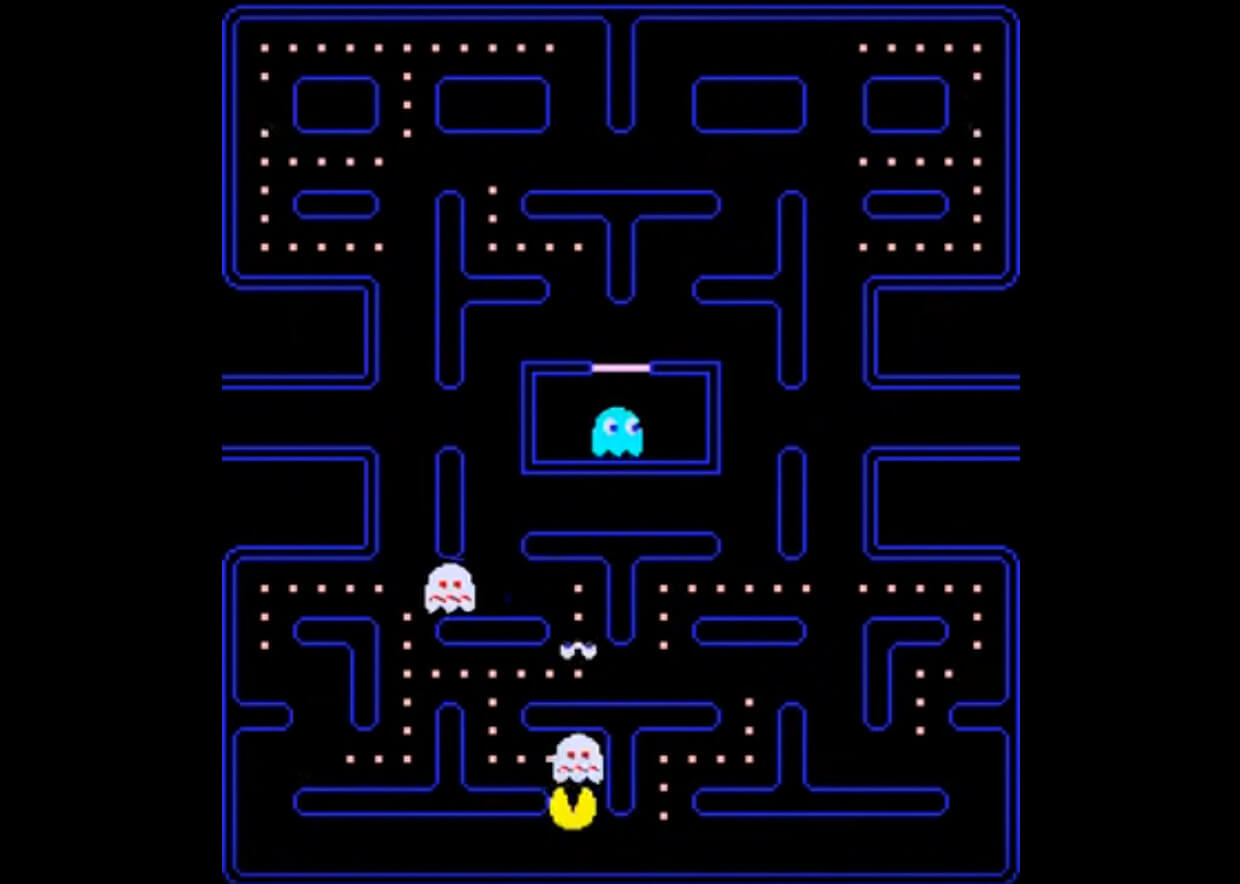
The revolution of character-driven action games started in early 1980, with Pac-Man leading the pack. This started a new kind of gameplay where the player has to focus not only on the character but also on how to predict and evade enemy movements. While Japanese developers were hot on making more character-led titles, American arcade developers focused on more intense forms of space shooters, where enemies appear at random and effects with their physics were cranked up to new degrees. Action games served as the foundations of the creation of other genres, such as platformers, side-scrollers, and beat-em-up titles. Players enjoyed better-rendered sprites, new and exciting movesets, gimmicks, and more enemies appearing on screen for an added thrill.
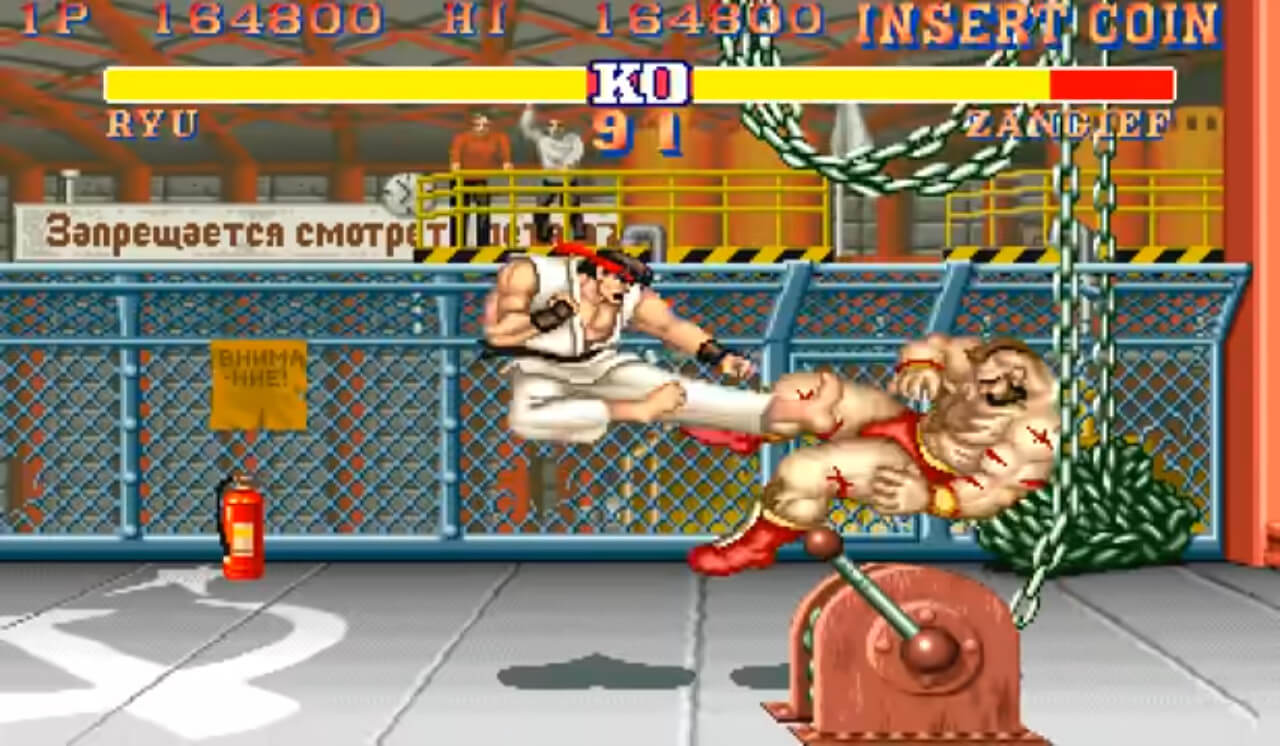
Multiplayer fighting games were trending in the 1990s. These two-player machines became the basis of competitive gaming, which led to eSports that we know today. Capcom’s Street Fighter II popularized head-to-head battles between two players. This was the start of the move away from score-based achievements of earlier action titles. Why battle for mere digits when you could pummel your opponent in a straight-up test of skill? Shooters also got a new form with the advent of player-to-player combat. 1993’s Doom introduced the deathmatch mode – the beginning of 2-4 player controller mayhem.
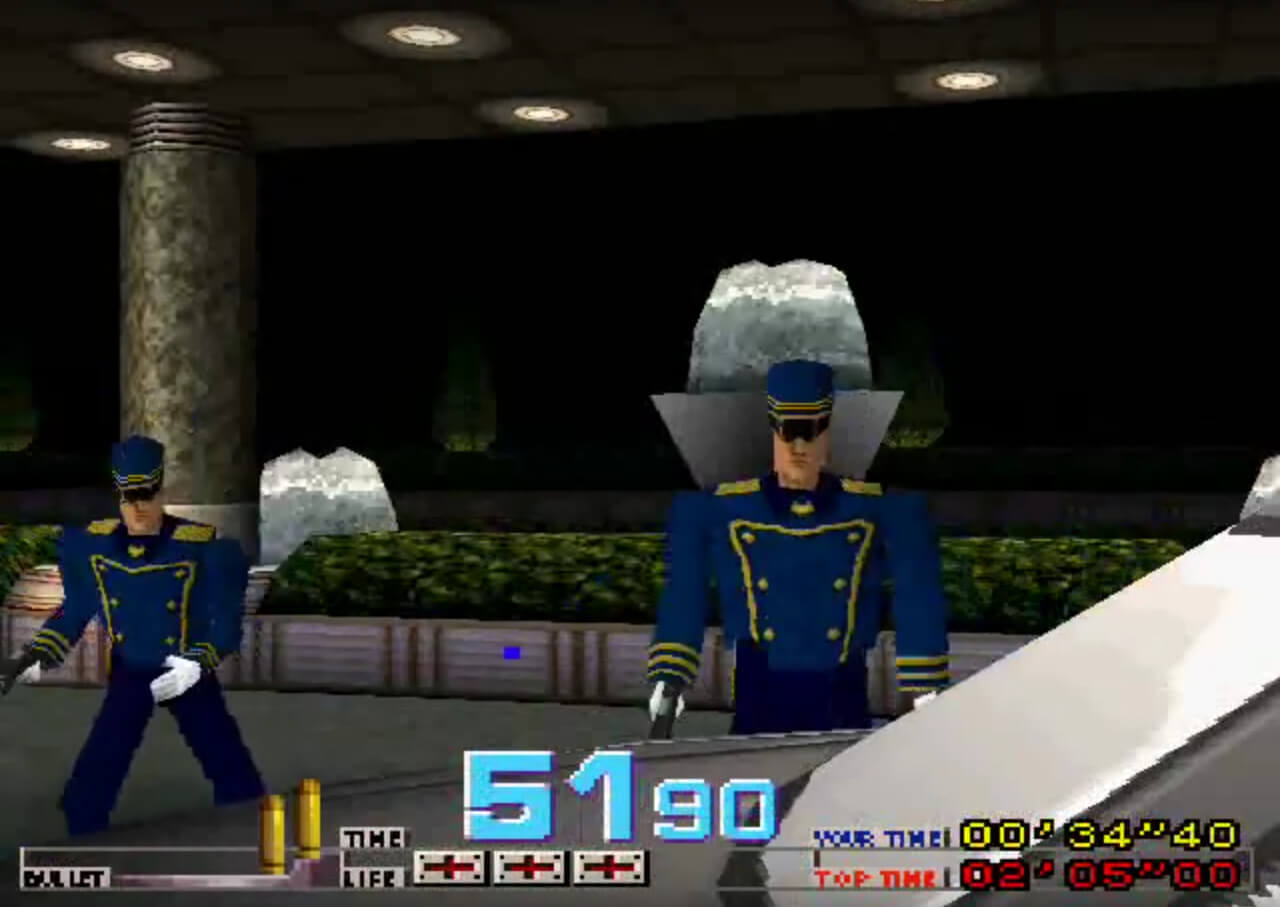
The nineties also saw the transition of game graphics from 2D to 3D polygon graphics. The new 3D graphics model was meant for racing games, but the potential to be used in other genres was seen. A new generation of games appeared on the market. 3D rail shooters such as 1990’s Galaxian 3 and 1991’s Solvalou first appeared. Sega AM2’s Virtua Fighter in 1993, followed by Namco’s Tekken in 1994 represented the fighting game genre. Light gun shooters appeared as Sega’s Virtua Cop (1994) and Namco’s Time Crisis (1995). More recent titles also made use of 3D polygon texture mapping, which was a step up from the pre-rendered 2D backgrounds of past games.
Action games have gone a long way, spawning new mechanics as they grew to what we know today. Other game genres also owe their existence to action titles, and upcoming gaming technologies would have the action genre as one of its pioneers.